Desi Ghee Benefits
Is Desi Ghee Lactose Free? Casein Facts Explained
Properly made desi ghee has virtually zero lactose and casein. How clarification removes milk solids, who can safely eat it, and test tips.
Updated October 7, 2026 · 165 words read
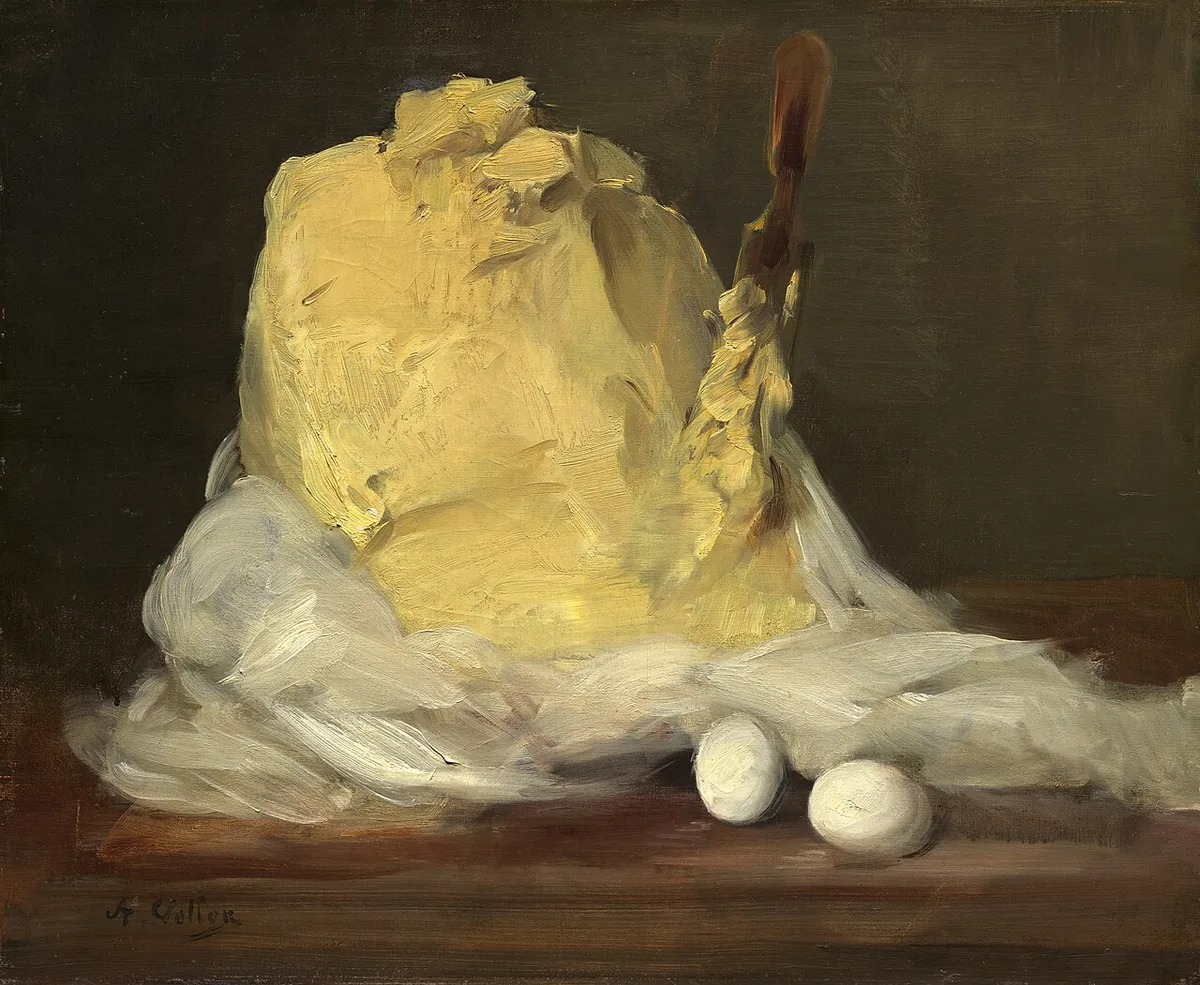
Love dairy but fear the stomach ache? Here's the good news behind is desi ghee lactose free: real ghee is essentially pure butterfat with milk solids removed.
How clarification removes lactose
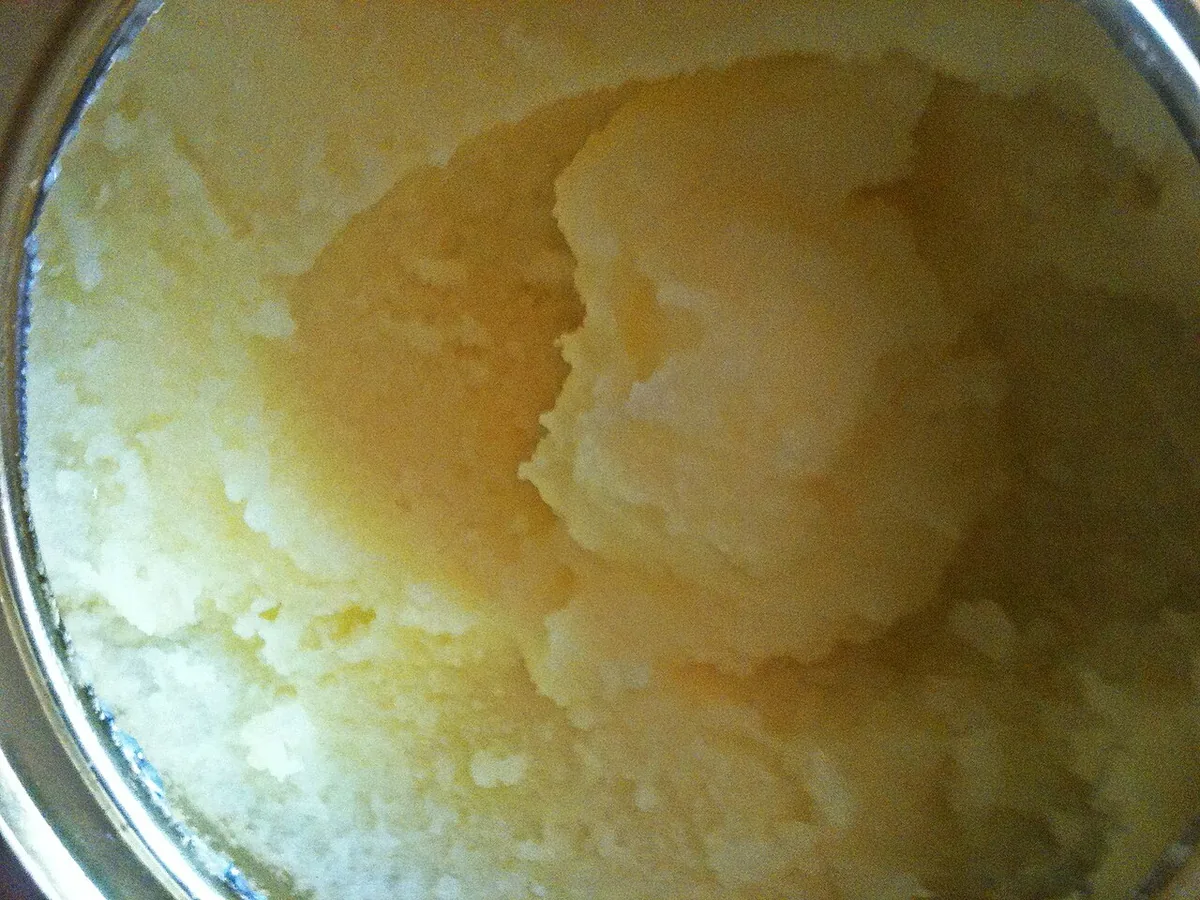
Butter is simmered until water evaporates and milk solids (lactose + casein proteins) brown and settle. Strained properly, the golden liquid left is 99%+ pure fat — the sugars and proteins are gone.
Lactose intolerance vs milk allergy
Intolerance (missing lactase enzyme) is no problem with ghee. True casein allergy is stricter — traces may remain, so severe cases need medical advice. For most people, ghee is the dairy they thought they'd lost.
Test your tolerance safely
Day 1–3: half teaspoon with food. No symptoms? Raise to 1 teaspoon. This gradual test works for digestion generally — see ghee for digestion.
Why cheap ghee causes trouble
Under-clarified or blended ghee retains milk solids — and triggers symptoms. Only fully-clarified pure ghee qualifies. Swaad-e-Khaas desi ghee is slow-simmered till perfectly clear. All desi ghee benefits.
Frequently Asked Questions
Can lactose intolerant people eat ghee?
Almost always yes. Proper clarification removes 99%+ of lactose. Start with half a teaspoon to confirm your personal tolerance.
Is ghee safe for milk allergy (casein)?
True milk allergy differs from intolerance — traces of casein can remain. Most tolerate it, but severe allergy sufferers should consult an allergist first.
How do I know my ghee is properly clarified?
It should be clear golden liquid when melted with no milky layer, smell nutty-aromatic, and never taste milky or sour.