Families
Desi Ghee for New Mothers: Recovery & Milk Supply
Postpartum desi ghee: recovery foods (panjiri, halwa), milk supply support, safe amounts after delivery and C-section precautions.
Updated October 7, 2026 · 153 words read
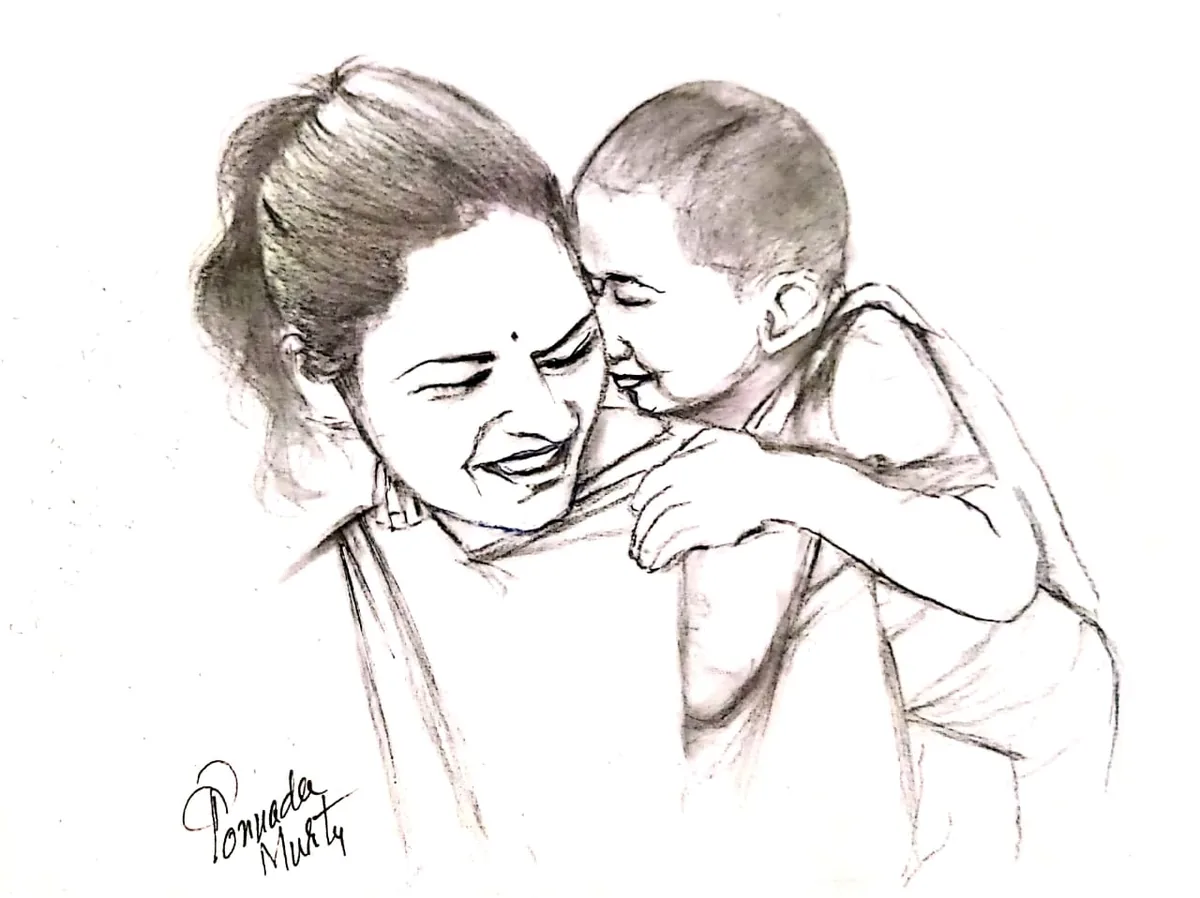
The 40-day confinement diet centres on one food. Desi ghee for new mothers rebuilds strength, supports milk and lifts energy — done right.
Why postpartum needs ghee
Delivery depletes fat reserves, iron and energy. Ghee restores dense calories, fat-soluble vitamins for healing, and butyric acid for digestion slowed by rest and medication.
Panjiri: the recovery superfood
Roast whole-wheat flour, nuts and gond in generous ghee with sugar. Two ladoos daily with warm milk cover calories, calcium and comfort in one delicious package.
Milk supply support
Lactation needs +500 calories daily. Ghee-halwa, ghee-roti and nuts supply them tastily. Drink 3+ litres of fluids alongside — milk follows hydration.
C-section and caution
Start light after digestion returns; avoid deep-fried heaviness early. Diabetic or hypertensive mothers follow doctor quantities. Background: pregnancy nutrition.
Pure fuel for recovery
A recovering mother deserves zero adulteration — Swaad-e-Khaas pure desi ghee for the confinement kitchen. Family nutrition: ghee for children.
Frequently Asked Questions
How much ghee after delivery?
Traditionally 2–3 teaspoons daily in panjiri, halwa and milk for the first 40 days — adjust to appetite, digestion and doctor's advice.
Does ghee increase breast milk?
Adequate healthy fats and calories support lactation; ghee in panjiri with nuts is the classic milk-support food. Hydration matters equally.
Ghee after C-section?
Small amounts once digestion normalises (usually days 3–5), per your doctor. Heavy fried food too early causes discomfort.