Cooking
How to Store Desi Ghee: Shelf Life & Freshness Tips
Desi ghee storage guide: room temperature vs fridge, correct jars, shelf life in Pakistan's climate and 5 signs your ghee is spoiled.
Updated October 7, 2026 · 176 words read
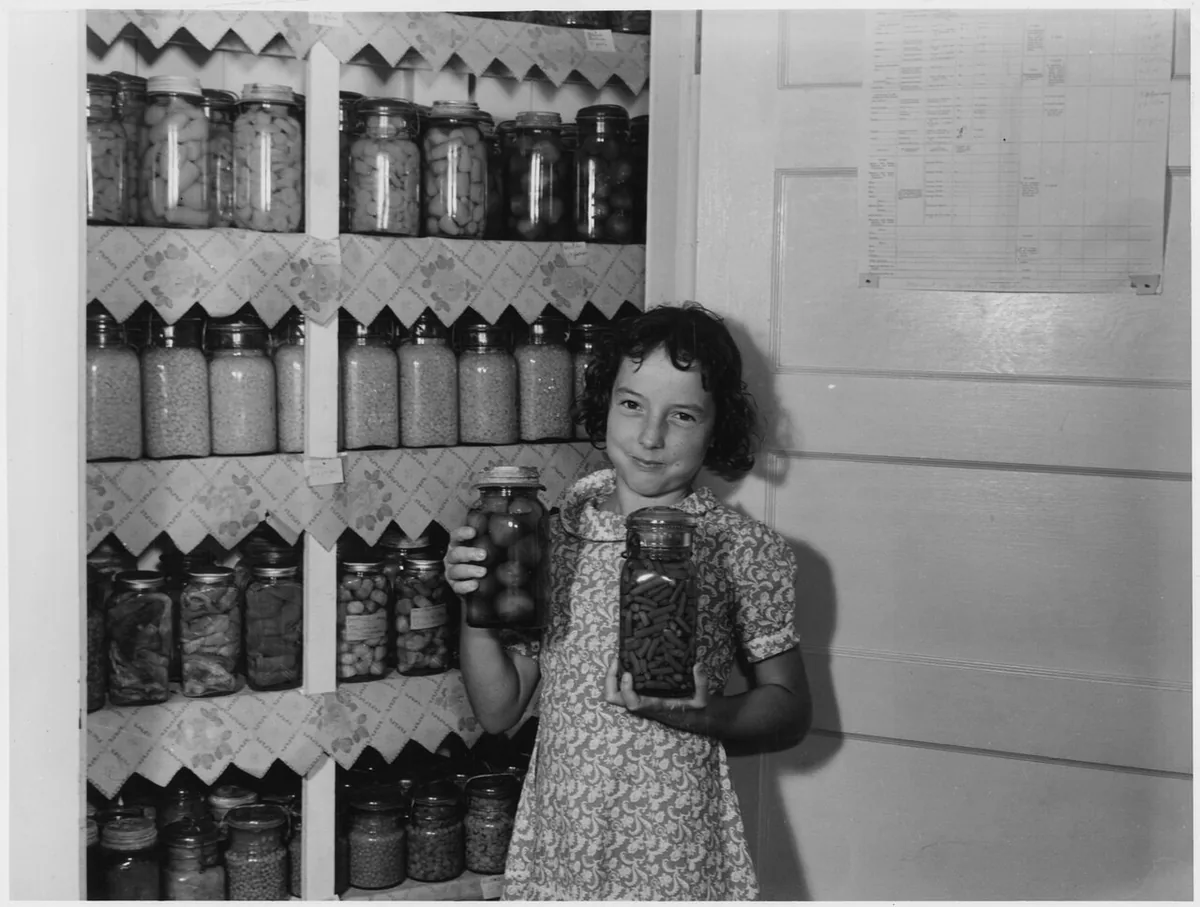
Ghee outlasts almost every fat — if you store it right. This ghee storage and shelf life guide covers jars, temperature and spoilage.
Shelf life basics
Pure ghee: 3–6 months in a cool dark cupboard, up to a year refrigerated. Its near-zero moisture is what keeps bacteria away — protect that dryness fiercely.
The right jar
Airtight glass or food-grade steel with a tight lid. Never plastic that held pickles (odours transfer), never open bowls. Keep the jar away from the stove's heat.
The dry-spoon rule
One wet spoon introduces water and starts mould. Keep a dedicated dry spoon or pour directly. This single habit doubles ghee life. Deep dive: does ghee expire.
Summer strategy for Pakistan
Ghee melts above ~35°C — normal and safe; it re-sets grainy when cool. In 45°C heatwaves, refrigerate the main jar and keep a small room-temp portion for daily use.
5 spoilage signs
Sour/cheesy smell, visible mould, dark spots, fizzy bubbling when heated, or bitter taste. Any one = discard. Fresh stock is one click away: Swaad-e-Khaas pure desi ghee.
Frequently Asked Questions
How long does desi ghee last?
3–6 months at room temperature in a cool dark place; 9–12 months refrigerated. Always use a dry spoon.
Should ghee be refrigerated in summer?
In peak Pakistani summer (40°C+), refrigeration extends freshness, though pure ghee survives at room temp. Fridge makes scooping harder — your call.
Why did my ghee turn white on top?
Surface whitening from temperature swings is usually harmless fat crystallisation. Sour smell or mould is the real danger sign.